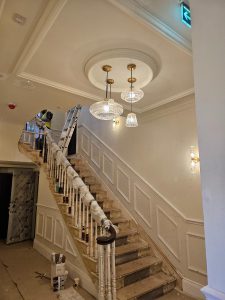
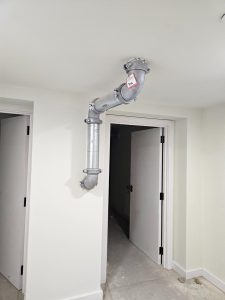
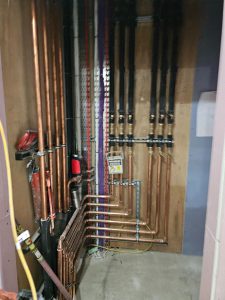
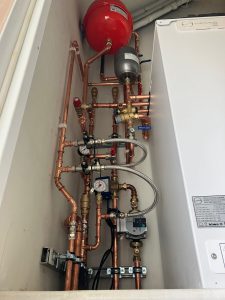
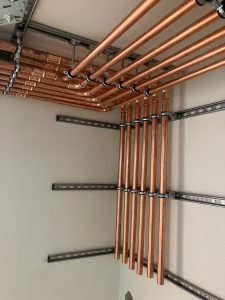
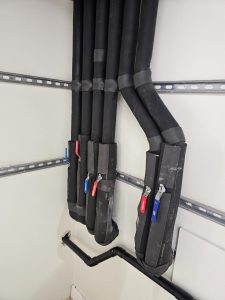
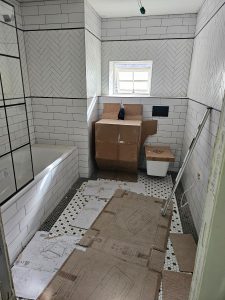
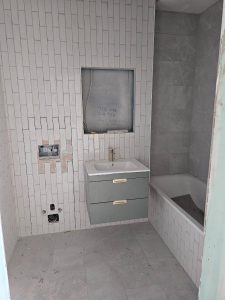
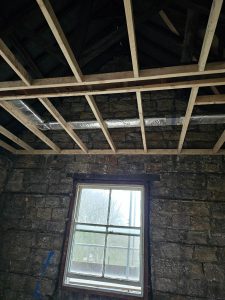
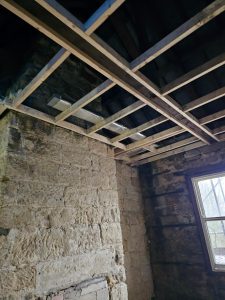
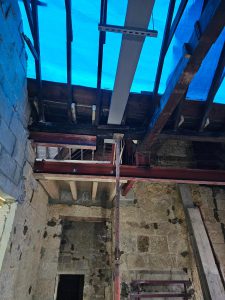
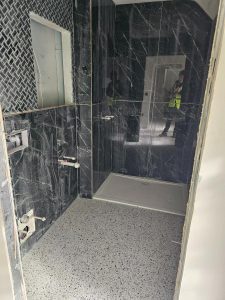
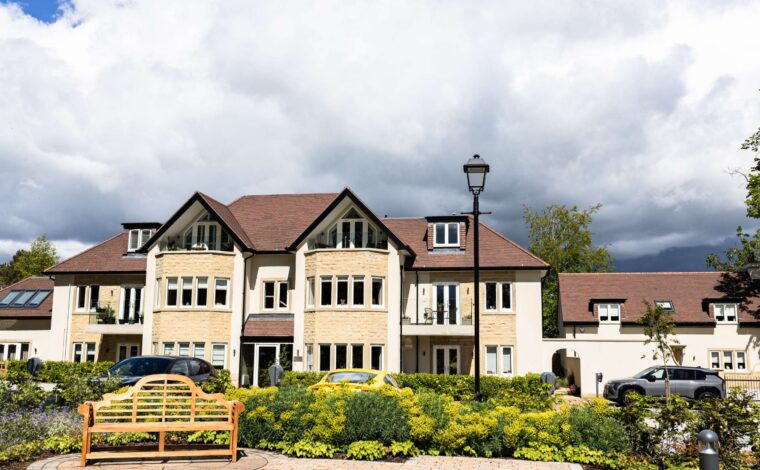
A key challenge throughout the project was integrating modern building services and new technologies into an existing structure with significant physical constraints, including limited ceiling voids, restricted service routes and the need to work around original building fabric.
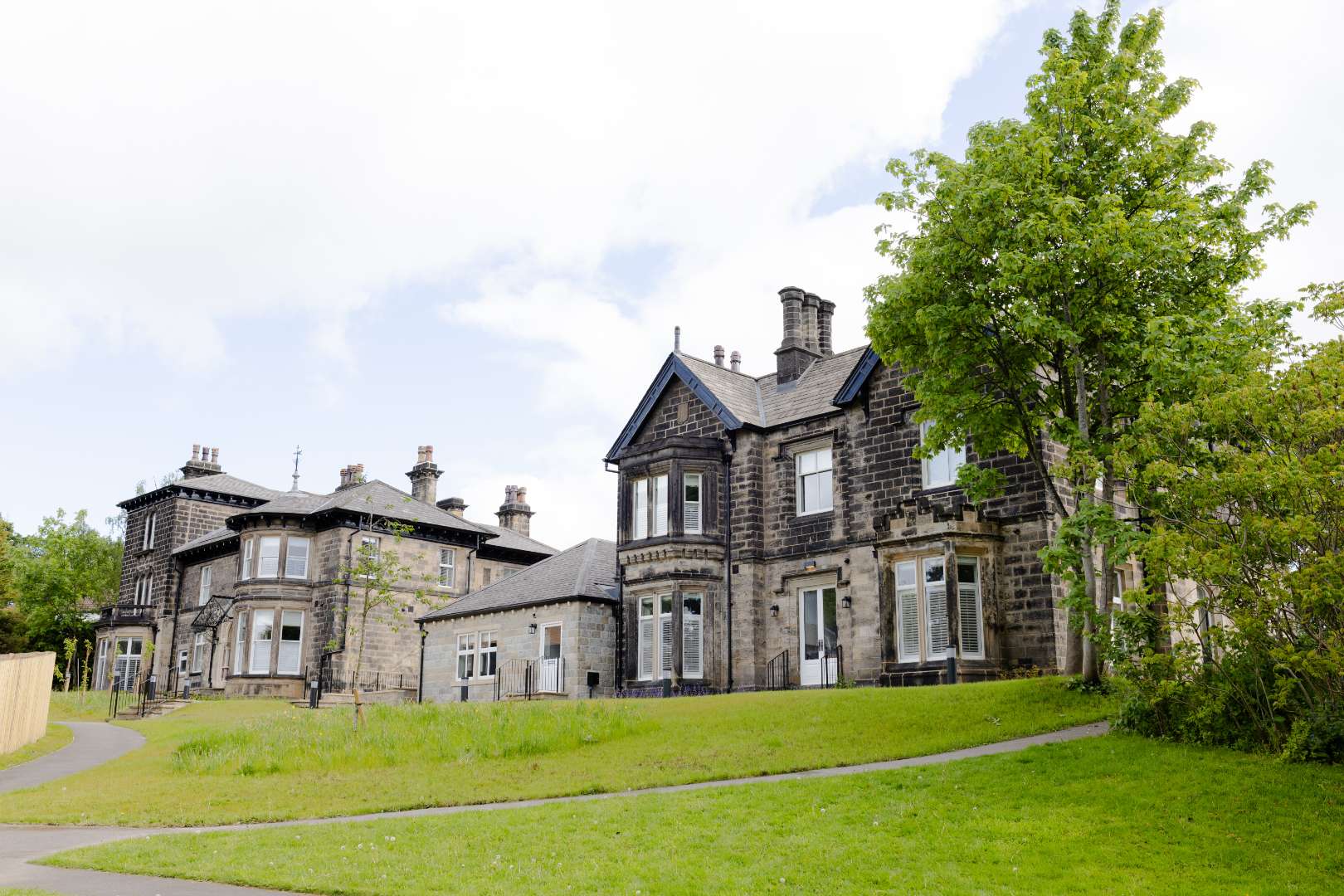
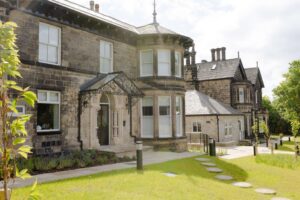
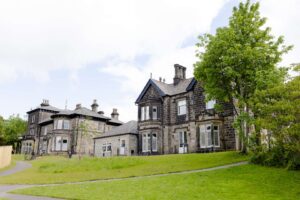
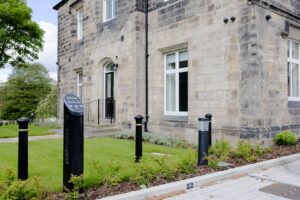
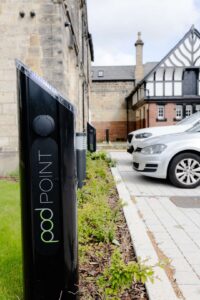
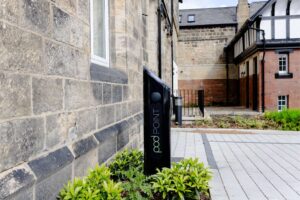
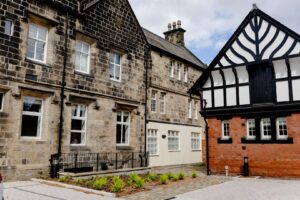
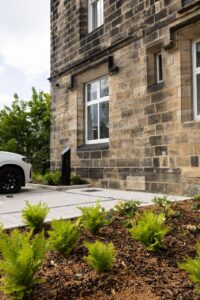
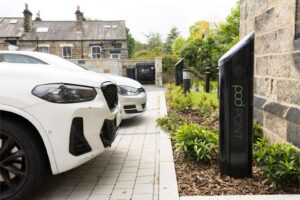
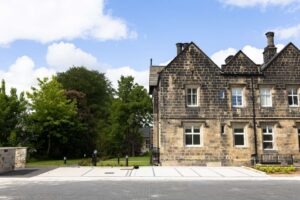
As the site sits within a conservation area, all external works had to be carefully coordinated to preserve the character and appearance of the building. This created additional complexity when installing items such as louvres, ventilation terminals and public health discharge points, where functionality had to be balanced with heritage requirements.
The project also faced several unforeseen delays outside of our control, including ecological restrictions caused by bat nesting activity, which impacted access and programme sequencing. In addition, multiple design and specification changes were introduced after previously agreed layouts, requiring continual review, redesign and coordination to maintain progress.
Internally, space planning was particularly demanding, with numerous services needing to be accommodated within compact utility cupboards. Equipment including distribution boards, MVHR units, manifolds, Sunamp units, Kensa heat pumps and washing machines all had to be installed within extremely tight footprints while maintaining accessibility for maintenance and compliance. The installation of heavy Sunamp units, weighing approximately 200kg, added another layer of complexity, requiring detailed lifting plans and safe handling methods to manoeuvre them through restricted access routes and multiple level changes.